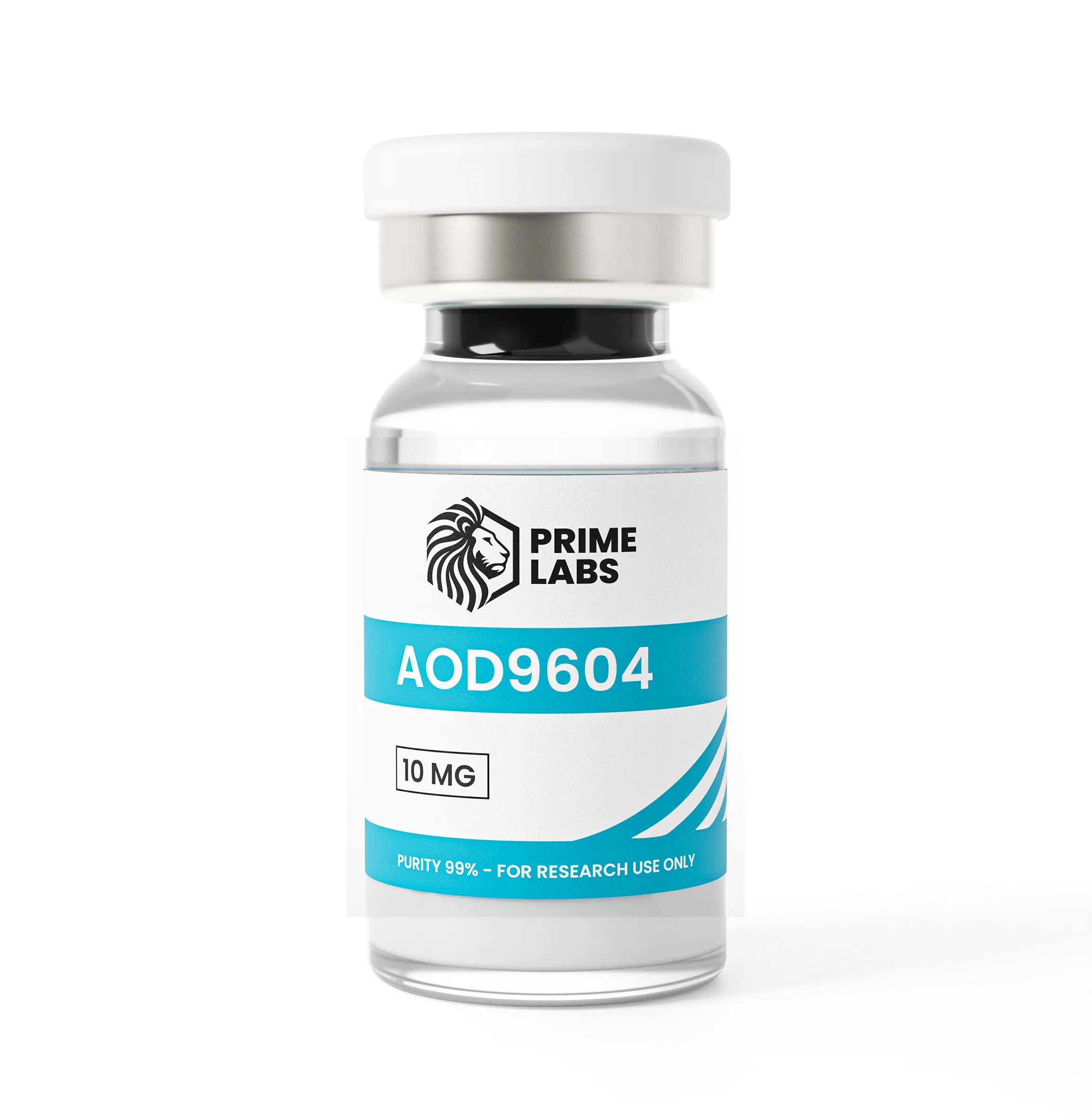
Aod9604 Peptide | Aod9604 10mg
Aod9604 Peptide, Aod9604 10mg. AOD9604 (10 mg) is a synthetic peptide fragment that comes from the C-terminal region (amino acids 176–191) of human growth hormone (HGH). It was created to take advantage of HGH’s fat-burning qualities without causing insulin resistance or growth. Because of this, AOD9604 is a chemical of interest for study on tissue healing, metabolic health, and obesity.
- “Anti-Obesity Drug 9604” is what AOD9604 stands for.
- It is a modified HGH peptide fragment intended to promote lipolysis, or the breakdown of fat, and prevent lipogenesis, or the creation of fat.
- supplied for use in lab research in 10 mg vials.
Aod9604 Peptide | Characteristics
- Structure: Modified to improve stability and activity, derived from the 176–191 amino acid sequence of HGH.
- Form: Injectable peptide, occasionally investigated in topical or oral forms.
- Mechanism: Activates fat metabolism pathways without altering growth factor signaling or blood sugar levels.
- Safety Profile: Unlike full HGH, AOD9604 does not stimulate IGF‑1 or cause unwanted growth effects.
Aod9604 Peptide | Effects
- Fat Metabolism:
- promotes the breakdown of fat that has been accumulated (lipolysis).
- Inhibits formation of new fat (lipogenesis).
- Weight Management:
- Reduces body fat in animal and early human studies.
- Works best in combination with diet and exercise.
- Metabolic Health:
- May improve lipid profiles and reduce obesity‑related risk factors.
- Tissue Repair:
- Early research suggests potential benefits in cartilage and joint repair.
- Studied for osteoarthritis and musculoskeletal injuries.
Benefits
- Obesity Research: Offers a focused method of reducing body fat without the negative effects of systemic HGH.
- Joint and Cartilage Health: May promote healing and lessen discomfort in degenerative diseases.
- Safety Advantage: Does not raise blood glucose or insulin resistance, unlike HGH.
- Possibility of Anti-Aging Role: It is investigated in lifespan research via lowering fat and promoting tissue repair.
Safety and Restrictions
- Only for use in research; not FDA-approved.
- There are few human trials; the majority of the evidence comes from small-scale clinical research and animal studies.
- Studies have shown that side effects are often modest, although long-term safety is unknown.
Important Lessons
- A promising peptide fragment of HGH called AOD9604 (10 mg) is intended to target tissue regeneration and fat metabolism.
- Without the dangers of complete HGH therapy, it provides anti-obesity and joint health potential.
- It is still experimental and not authorized for use in medicine, despite promising preclinical and early clinical outcomes.
Be the first to review “AOD9604 (10mg)”
Related products
Muscle Building & Weight Loss
$79.99
Muscle Building & Weight Loss
$119.99
Muscle Building & Weight Loss
$75.00
Muscle Building & Weight Loss
$79.99
Muscle Building & Weight Loss
$130.00
Muscle Building & Weight Loss
$70.00
Muscle Building & Weight Loss
$139.99
Muscle Building & Weight Loss
$60.00
Reviews
There are no reviews yet.